
Inderjeet Singh Tulsi is a legendary Indian poet, lyricist, and author. He was born on 2 April 1926 in Kana Kacha, Punjab, British India to mother Sardarni Basant Kaur and Sardar Mool Singh. His father died when he was only 2 years old. His father was historically from the family of landlords and left him all the land their family owned. Young heirs were murdered in those days as women could not own the property in those days, so his mother used to hide him in white sheets until age 12. His mother taught him Shabads and Kirtans since childhood as he was the only son.
At 9 years, he narrated six lines of poem on stage asking the Britishers to leave the country and was arrested by the British police for offence. But he was released the same day as he was a minor. He continued writing after 1947 as he was inspired by the India and Pakistan partition. He was working at the Indian Railways at that time. He was married to
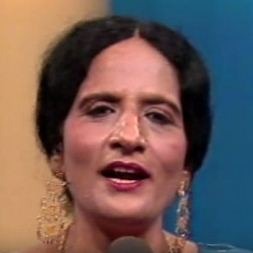
Surinder Kaur
Surinder Kaur is the Nightingale of Punjab. She is >> Read More...
 at the age of 18 during college. He studied Ghyani at the Khalsa College in Amritsar, Punjab. After the partition, they settled in Ferozpur, Punjab and he continued working for the Indian Railways. His eldest son became a Punjabi film director and businessman. While working in the railways there were multiple events where he recited poetry, in one such event the Railway Minister Jeevan Ram was present. Impressed by his poetry, he transferred him to New Delhi with a promotion. There, he started reciting poetry at Kavi Samelans. The Governor of Punjab awarded him the Raj Kavi of Punjab.
Later, he became a senior executive at the Indian railways. He soon caught the eye of Jawaharlal Nehru, who was greatly impressed by his poetry. Nehru invited him to several National Ceremonies where Inderjeet Singh Tulsi was the first to open the show. In 1966, he received the prestigious Padma Shree Award for Arts and Literature. He was sent to the Ladakh frontier during the Sino-Indian War to boost the morale of the soldiers. After returning from Ladakh, he wrote his first book, which was a collection of poetry in Punjabi and Hindi called ‘Baraf Bane Angare.’ It was inspired by his time spent in Ladakh and the troops staying there, which was followed by his second book called ‘Sur Singhar.’ He has also written many books on Sikh religion such as ‘Param Purukh Guru Nanak Dev Ji,’ which was focused on Sikh Guru, Guru Nanak’s life and ‘Darvesh Padshah Guru Gobind Singh Ji.’ He was dedicated towards serving the country and writing songs for films never occurred to him until he met
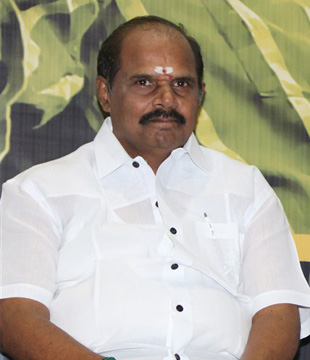
Manoj Kumar
Manoj Kumar, aka Manoharan, was born on September >> Read More...
 .
.
His career in Bollywood started when he encountered Manoj Kumar in a Kavi Darbar, where he was reciting a poem. Manoj was greatly inspired by him and asked him to write for him film ‘Shor’ where he later wrote songs like Pani Re Pani Tera Rang Kaisa, Jeevan Chalne Ka Naam, etc. The songs were superhit and then he went forward to work with more Bollywood film makers including
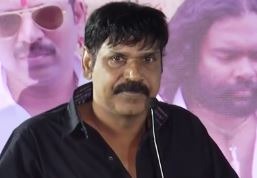
Raj Kapoor
Rajkapoor is a film maker and movie director from >> Read More...
 , B. R. Chopra, N. N. Sippy, and many others. His hits include songs like Le Jayenge Le Jayenge Dilwale Dulhania Le Jayege from the film Chor Machaye Shor, Beshak Mandir Masjid Todo from Bobby, SamayTu Dheere Dheere Chal from Karm, Jaa Re Jaa Oo Harjayee from Kalicharan, among others. Some of his other notable works in Bollywood include The Gold Medal in 1984, Raj Mahal in 1982, Ahinsa in 1979, Zamaanat in 1977, Santo Banti in 1976, Sauda in 1974, Fakira in 1976, etc. He died on 11 May 1984 from a heart attack on stage while reciting poetry.







WEB STORIES
LATEST SERIALS & SHOWS
LATEST WEB SERIES
OTHER LYRICISTS


BORN TODAY
Our Youtube Channels

Nettv4u

Sillaakki Dumma

Crazy Masala Food

Cinemakkaran

Thandora

AskMirchi
Copyright © 2025 NetTV4u.com





































 Home
Home